Demon Blade Font Review
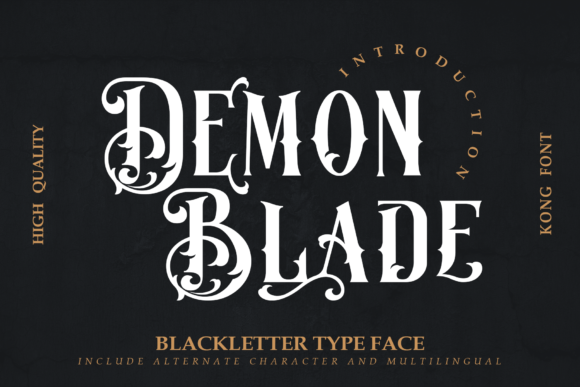
It was a quiet afternoon when I found myself staring at the blank header of a lifestyle blog, searching for a font that could capture the playful yet mysterious tone of the content. The right typeface could make or break the first impression, and after trying several options, I landed on Demon Blade. This vintage blackletter font has a unique energy that feels both nostalgic and modern, making it a compelling choice for editorial design projects.
A Font with Personality
Demon Blade is a blackletter typeface that blends historical charm with contemporary flair. Its sharp serifs and exaggerated strokes give it a bold presence, while the subtle irregularities in its letterforms add a sense of handcrafted authenticity. This font isn’t just about aesthetics—it carries a mood that can elevate the visual storytelling of any project. Whether used in a blog header or a magazine cover, it brings a sense of character that other fonts often lack.
The rhythm of Demon Blade is dynamic, with a strong visual weight that commands attention without overwhelming the reader. It’s not a font for small text or dense paragraphs, but rather for headlines, titles, and decorative elements where impact matters most. Its expressive nature makes it ideal for creative branding, logo design, or editorial features that need a distinct identity.
Real-World Applications
I tested Demon Blade in a few different contexts to see how it performed. For a recipe ebook, I used it for the title page and chapter openers. The font added a whimsical touch that complemented the playful tone of the content. It worked well as a display font, drawing the eye and setting the stage for the recipes inside.
In a coaching workbook, I experimented with using Demon Blade for pull quotes and section headings. The font’s dramatic strokes made it stand out against the clean, minimal layout, creating a nice contrast that guided the reader through the content. It also paired well with a simple serif font for body text, balancing readability with visual interest.
For a printable planner, I tried using the font in headers and decorative accents. The result was a cohesive look that felt personal and intentional. It gave the planner a unique edge, perfect for users who want their tools to reflect their style.
Readability and Practical Considerations
While Demon Blade excels in display roles, it’s important to consider its limitations. On screens, especially smaller ones, the intricate details of the font can become harder to read. For mobile layouts or PDF exports, it’s best to use it sparingly—reserved for titles and short phrases rather than long blocks of text.
When designing for print, the font holds up well, especially in larger sizes. However, for body copy or captions, a more legible font would be preferable. In formal reports or academic publications, Demon Blade might feel too expressive, but in creative or lifestyle-oriented projects, it adds a refreshing twist.
Before incorporating Demon Blade into a project, it’s wise to check the available styles, alternates, and ligatures. These features can enhance the font’s versatility, allowing for more refined typographic choices. Also, ensure that the font supports the languages you need and that the licensing terms align with your intended use, especially if you’re creating digital products or client work.
Pairing and Design Integration
Font pairing is key when working with a display font like Demon Blade. A good strategy is to pair it with a readable serif or sans serif font for body text. This creates a balanced hierarchy that keeps the reader engaged without sacrificing clarity. For example, using a clean sans serif like Lato or Roboto for captions and navigation can provide a modern contrast to the boldness of Demon Blade.
In editorial design, this font can serve as a signature element that reinforces brand identity. It works particularly well in social media graphics, web banners, and promotional materials where visual impact is crucial. Its vintage appeal also makes it a strong candidate for packaging design or branding projects that aim to evoke a sense of nostalgia.
Whether you're redesigning a blog header, crafting a wedding guide, or building a newsletter graphic, Demon Blade offers a distinctive voice that can help your content stand out. Its personality is undeniable, and when used thoughtfully, it can transform the way your audience interacts with your work.