Heliopride Font: Vintage Script for Editorial Design
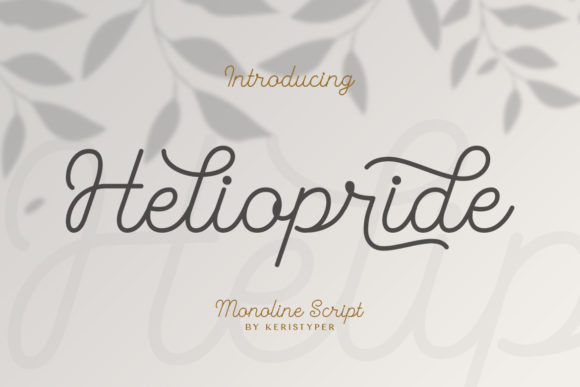
Heliopride is a vintage-style script font that brings a delicate and refined touch to editorial projects. Its elegant lettering and subtle swashes make it ideal for adding a personal, handcrafted feel to content. As a PUA-encoded typeface, Heliopride offers easy access to all its glyphs, making it a versatile choice for designers looking to enhance their visual storytelling.
Visual Characteristics of Heliopride
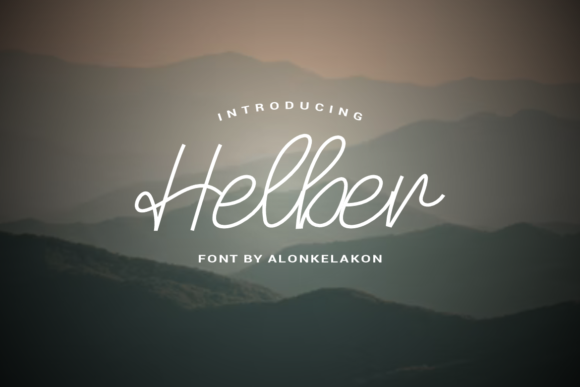
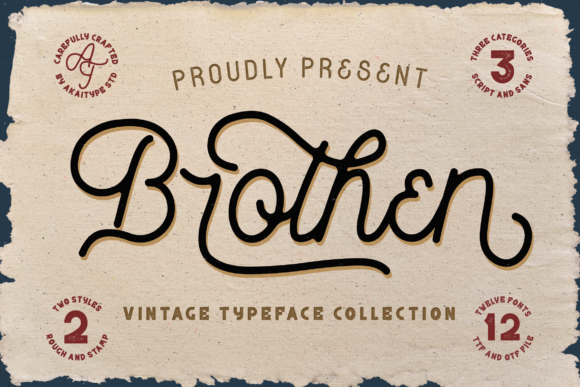
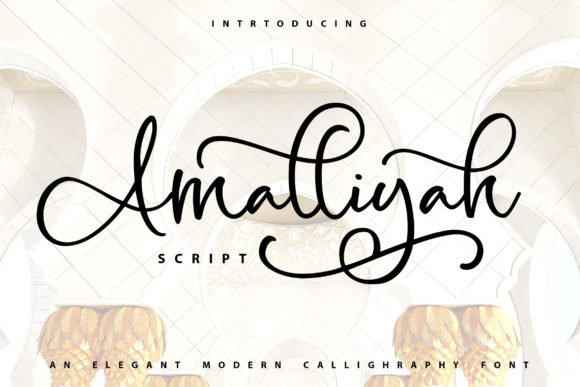
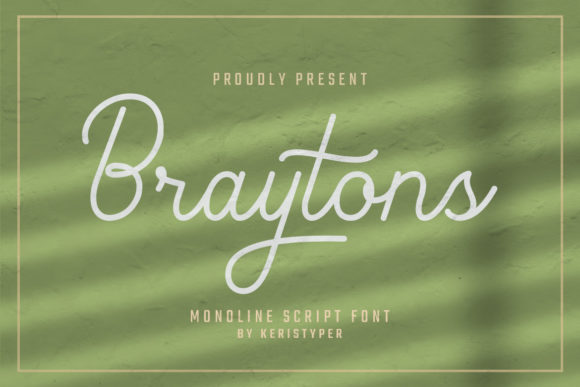
Heliopride features thin, flowing strokes that give it a light and airy appearance. The font’s handwritten aesthetic evokes a sense of nostalgia while maintaining modern readability. Its soft curves and gentle flourishes make it perfect for creating visually appealing text in a variety of formats. Whether used for headings, quotes, or branding elements, Heliopride adds a touch of sophistication without overwhelming the reader.
Applications in Editorial Design
From blog headers to magazine covers, Heliopride can elevate the visual appeal of any publication. Its vintage style makes it particularly well-suited for lifestyle blogs, recipe e-books, and wedding guides. For example, a lifestyle blog could use Heliopride for its title or section headings to create a cohesive and stylish look. In an ebook, the font could be used for chapter openers or pull quotes to draw attention and add personality.
In newsletters and printable guides, Heliopride can serve as a strong visual anchor. It works well for lead magnets, worksheets, and digital magazines where a personal touch enhances engagement. When paired with a clean serif or sans serif font, Heliopride can help establish a clear visual hierarchy while maintaining readability across different mediums.
Supporting Visual Hierarchy and Reader Engagement
Effective editorial design relies on strong visual hierarchy to guide readers through content. Heliopride excels in this role when used for headings, subheadings, or accent typography. Its unique style helps distinguish key sections without disrupting the flow of body text. This makes it a valuable tool for creating engaging layouts that balance aesthetics with functionality.
The font’s personality also plays a role in shaping the mood of a publication. A coaching workbook might use Heliopride for motivational quotes to inspire readers, while a printable planner could incorporate it into date labels or section dividers. These small touches contribute to a more immersive and emotionally resonant reading experience.
Readability and Cross-Platform Use
While Heliopride is best suited for short bursts of text, it remains readable on screens, in PDFs, and on print materials. Its legibility is especially important for mobile layouts, where clarity is essential. Designers should consider using Heliopride for titles and headings rather than long paragraphs, ensuring that the font complements rather than hinders the reading process.
When exporting designs to PDF or other formats, Heliopride retains its sharp details, making it suitable for professional publications. Its versatility extends to social media graphics, web design, and packaging, where a custom font can strengthen brand identity and visual consistency.
Font Pairing and Design Assets
Pairing Heliopride with complementary fonts can enhance its impact. A serif font like Georgia or Baskerville works well for body text, providing contrast and readability. For modern designs, a clean sans serif such as Helvetica or Open Sans can serve as a reliable counterpart for captions, navigation elements, or footnotes.
Designers should explore the full range of styles and alternates included in Heliopride. These variations allow for greater flexibility in creating unique layouts while maintaining a cohesive look. Multilingual support ensures that the font can be used in diverse publishing contexts, from English-language blogs to international publications.
Commercial Licensing and Usage
For creators and publishers, understanding commercial licensing is essential. Heliopride is suitable for use in ebooks, templates, printables, paid newsletters, and client projects. However, users should review the license agreement to ensure compliance with specific usage terms. Proper licensing protects both the designer and the end user, ensuring that the font is used responsibly across various platforms.
As a premium font, Heliopride offers value beyond its visual appeal. Its ability to enhance brand identity and editorial design makes it a worthwhile addition to any designer’s toolkit. Whether used for a digital magazine, a creative course, or a downloadable resource, Heliopride contributes to a polished and professional look.
Conclusion
Heliopride is more than just a vintage script font—it’s a powerful design asset that supports editorial creativity and reader engagement. Its elegant style and practical usability make it an excellent choice for a wide range of publishing needs. By integrating Heliopride into layouts, designers can create visually compelling content that resonates with audiences and strengthens brand presence.