Vintage Handwritten Font for Timeless Design
There I was, staring at a blank brand board, trying to find the right visual voice for a small artisanal café looking to refresh its identity. The client wanted something warm, approachable, and a little bit nostalgic—something that felt like it belonged in a cozy corner of a town square. That’s when I reached for Elois.
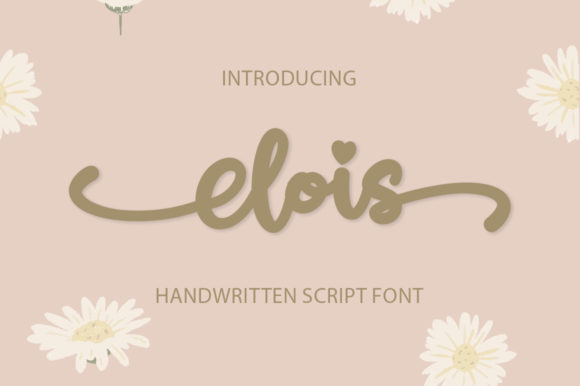
Elois is a vintage and timeless handwritten font that feels like it was pulled from an old journal or a letter penned by a craftsman. Its fluid strokes and subtle flourishes give it a personal, almost intimate quality. It's not just a font; it's a character with its own personality. The soft curves and gentle swashes make it feel like it was designed to be read slowly, with intention.
Testing Elois in Real Branding Work
I started by testing Elois on a logo concept. The font’s natural flow made it ideal for a tagline or a name that needed to stand out without being too rigid. On a mockup of a café sign, it looked like it had been hand-drawn, adding a layer of authenticity that a more mechanical typeface wouldn’t have offered. It worked especially well when paired with a simple sans serif for contrast, creating a balance between tradition and modernity.
On a business card, Elois added a touch of elegance without overwhelming the design. It didn’t dominate the space, but it definitely caught the eye. When used as a headline on a website header, it brought a sense of warmth and creativity that matched the café’s brand story. In social media graphics, it gave posts a handwritten charm that felt more personal than standard fonts.
Strengths and Limitations of Elois
One of Elois’s greatest strengths is its versatility. It works well as a display font, especially for short phrases, headlines, and logos. Its PUA encoding means that all the glyphs and swashes are accessible, which is a big plus for designers who want to get the most out of the font’s character set. It’s also great for branding projects where a unique, custom feel is important.
However, Elois isn’t suited for long body text. Its intricate details can become difficult to read in smaller sizes, and it doesn’t hold up well in formal corporate environments where clarity and professionalism are key. For those situations, a serif or sans serif font would be a better choice.
Pairing Elois with Other Fonts
When pairing Elois with other fonts, I found that it works best with clean, minimal typefaces. A simple serif font like Baskerville or a modern sans serif like Helvetica can provide a nice counterbalance. This combination allows Elois to shine without competing with the other typefaces. It also helps maintain visual hierarchy, ensuring that the most important elements of the design remain legible and impactful.
For editorial design, Elois can be used sparingly to add a decorative touch. But in packaging design, it’s best reserved for accents or labels rather than main text. It adds a handmade quality that resonates with customers who value craftsmanship and authenticity.
Practical Tips for Using Elois
Before using Elois in final client work, I always recommend testing it across different mediums. Print and digital designs can render fonts differently, so it’s important to see how it looks on a screen versus on paper. I also suggest checking the font’s licensing terms to ensure it’s suitable for commercial use, especially if you’re working on branding materials, merchandise, or web projects.
If you're working on a project that requires multilingual support, make sure Elois covers the necessary characters. While it’s primarily a handwritten font, its glyph set should be sufficient for most Western languages. For web use, check if it’s available as a webfont to ensure consistent rendering across platforms.
Elois is a premium font that brings a unique aesthetic to any design. Whether you're working on a boutique identity, a café rebrand, or a creative studio’s visual system, it offers a refreshing alternative to more standard typefaces. Its vintage appeal and timeless style make it a valuable addition to any designer’s toolkit.